
How to Build a Balanced, Filling Salad
A lot of people think of salad as the thing you eat when you are trying to be good: a few leaves, a tomato slice, and an hour later you are hunting for a snack. That is not a problem with salad. It is a problem with how the bowl was put together.
A well-built salad can be a proper meal. It can be colourful, satisfying and easy to make at home on an ordinary weekday. In this article we look at why salad earns a place in everyday eating, and then walk through a simple formula for building one that keeps you full. (If you would like the broader story of what fresh salads can do for the body, we covered it in our earlier article on fresh salad.)
Why Salad Matters in Everyday Eating
Salad is one of the easiest ways to bring more vegetables to a meal. Vegetables give you fibre, water and a range of vitamins and minerals, and they take up a lot of space on the plate for relatively few calories. That combination can help you feel full without feeling heavy.
There is also the matter of habit. Most of us eat the same few meals again and again. Adding a salad to lunch or dinner, even a small one, is a gentle way to shift the balance of a day’s eating without a strict plan. Raw vegetables also bring crunch and freshness that cooked dishes cannot, which makes a plate more interesting to eat.
None of this means salad is magic. A bowl drowned in creamy dressing and fried toppings is a different thing from a bowl of fresh vegetables with lean protein. What you put in the bowl is what counts.
The Five Building Blocks
Think of a salad as five parts. If you cover each one, you will almost always end up with something balanced.
1. Start With Greens
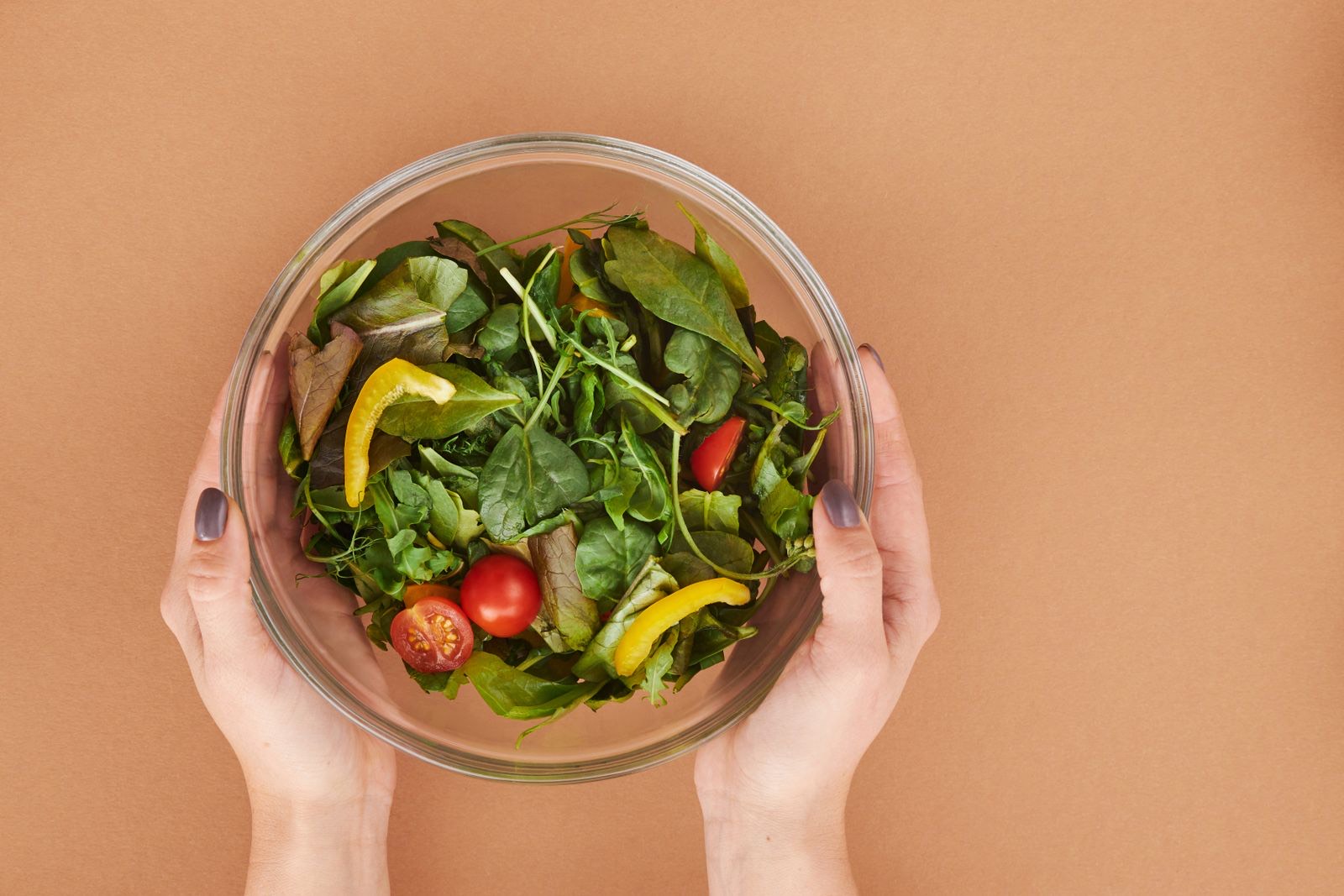
Greens are the base. Lettuce, spinach, rocket, cabbage, kale or a mix all work. Mixing a soft leaf with a sturdier one gives you both tenderness and bite. Fill roughly half the bowl with leaves and other vegetables such as cucumber, tomato, carrot or peppers.
Wash everything well in clean water, and dry the leaves afterwards. Wet leaves make a dressing slide off and turn the bowl soggy.
2. Add a Protein
Protein is the part that most often decides whether a salad fills you up. Options include:
- Grilled or roasted chicken
- Boiled or sliced eggs
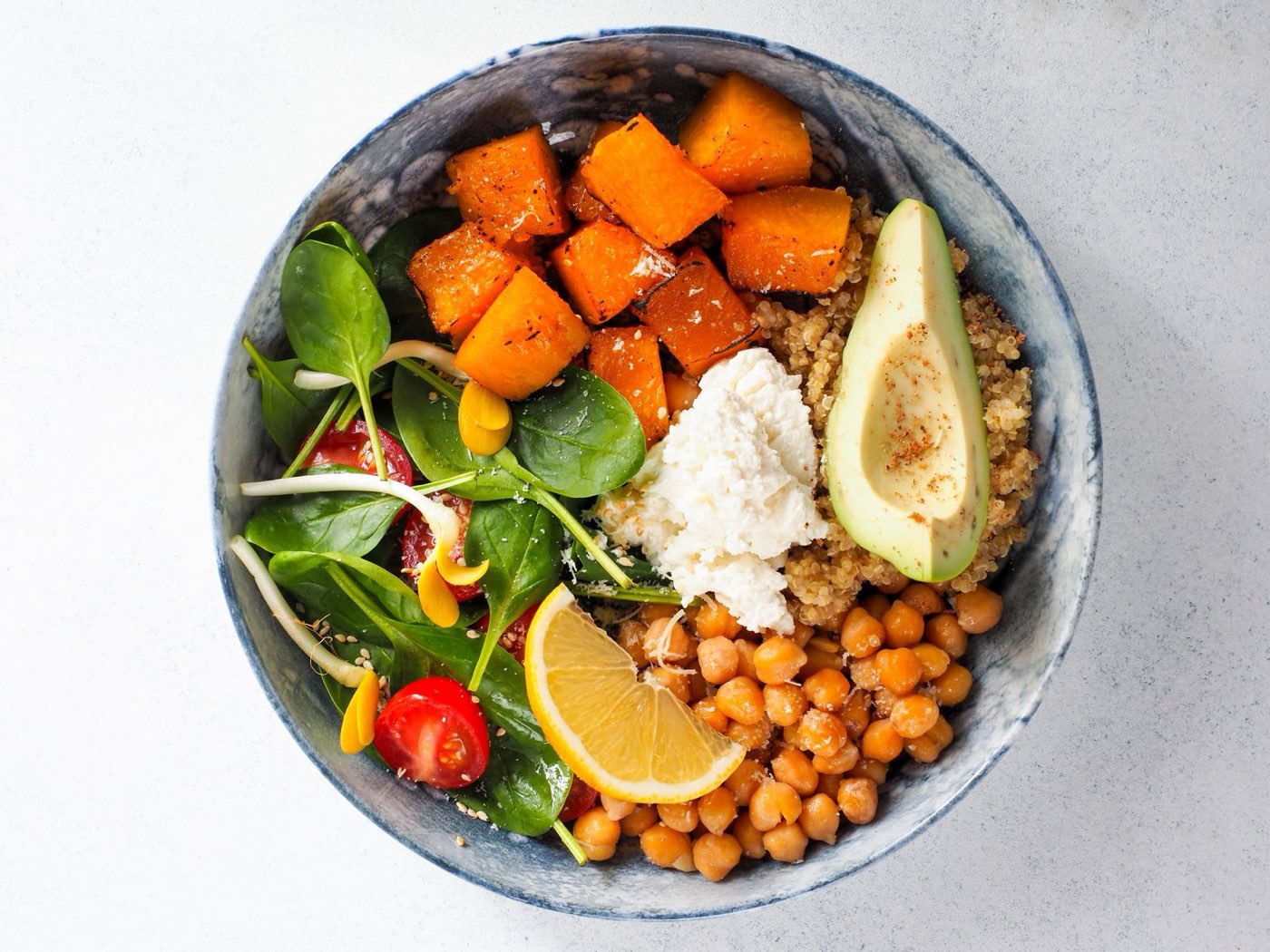
- Chickpeas, lentils or beans
- Tofu or paneer
- Fish such as tuna or salmon
- Nuts and seeds, in smaller amounts
You do not need a large portion. A palm-sized serving is a sensible starting point, and you can adjust it to your appetite.
3. Include a Healthy Fat
Fat helps a meal feel satisfying and makes it taste richer. Sliced avocado, a handful of nuts, a sprinkle of seeds or a drizzle of olive oil all do the job. Because fats are concentrated, a small amount goes a long way.
4. Bring the Crunch
Texture is what keeps a salad from feeling dull. Toasted seeds, chopped nuts, raw carrot, radish, sliced cucumber or a few homemade croutons add contrast to soft leaves. If you like crunch, try to get at least one crunchy element into every bowl.
5. Finish With a Light Dressing
A dressing should lift the salad, not bury it. A simple one needs only a few things:
- Two to three parts olive oil to one part lemon juice or vinegar (the lower end gives a lighter, sharper dressing)
- A pinch of salt and some black pepper
- Optional extras: a little mustard, honey, crushed garlic or chopped fresh herbs
Shake it in a jar, taste it on a leaf, and add it a little at a time. You can always add more, but you cannot take it back out. Citrus-based dressings are a good way to get plenty of flavour with very little oil.
Everyday Habits That Make Salad Easy
The best salad is the one you actually make. A few small habits help:
- Prepare ahead. Wash and chop vegetables once or twice a week and keep them in airtight containers in the fridge. Assembling a bowl then takes minutes.
- Keep the dressing separate. Store it in a jar and add it just before eating so the leaves stay crisp.
- Use leftovers. Roasted vegetables, cooked grains, last night’s grilled chicken or a spoonful of beans can all go into a salad.
- Change it up. Add fruit such as orange segments, apple slices or pomegranate seeds, switch the herbs, or try a different protein. Variety keeps it from feeling like a chore.
- Eat slowly. Salad with plenty of crunch takes a bit more chewing, which naturally slows you down.
- Handle fresh produce safely. Rinse vegetables thoroughly and keep cut produce chilled. If you have a health condition or a food allergy, check your ingredients accordingly.
Common Mistakes to Avoid
A few things can turn a healthy bowl into a disappointing one:
- Too little substance. Leaves alone will not keep you full. Add protein and fat.
- Too much dressing. Heavy, creamy dressings can add far more than you expect. Measure with a spoon at first.
- Too much of the same thing. A bowl of only one vegetable gets boring quickly. Aim for several colours.
- Dressing too early. Dress the salad right before you eat it.
A Simple Bowl to Try at Home
Here is one combination built on the five blocks: mixed leaves and cucumber, sliced grilled chicken or chickpeas, half an avocado, toasted seeds, and a lemon and olive oil dressing. It takes about ten minutes, and you can swap any part to suit your taste.
If you would rather have someone else do the chopping, our menu includes a Garden Gourmet Salad with farm leaves, avocado, seeds and a citrus dressing. We prepare our dishes fresh, with minimal oil and no added MSG, and our vegetables are washed in filtered water.
Come and Eat With Us
Whether you build your own bowl at home or take a break at our table in Lakeside, Pokhara, we hope this gives you a few ideas. Have a look at our menu to see what is on offer, and we will be happy to welcome you whenever you are in town.
Hungry yet? Come taste it for yourself.